

Why San Saba Is the Pecan Capital of the World
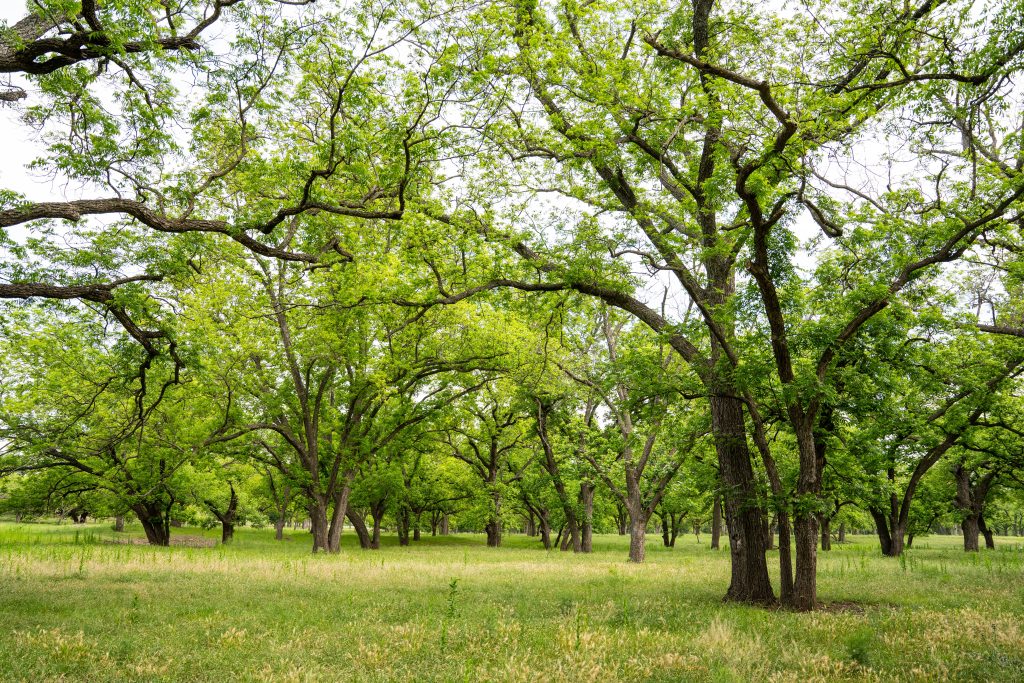
Drive into San Saba during pecan season and you’ll understand immediately, this isn’t just a crop here, it’s a way of life. The orchards, the harvest rhythm, and even the scent in the air all point to one thing: pecans are at the heart of this town.
San Saba didn’t adopt the title “Pecan Capital of the World” by chance. It earned it through innovation, generational commitment, and a legacy that began with a single extraordinary tree.
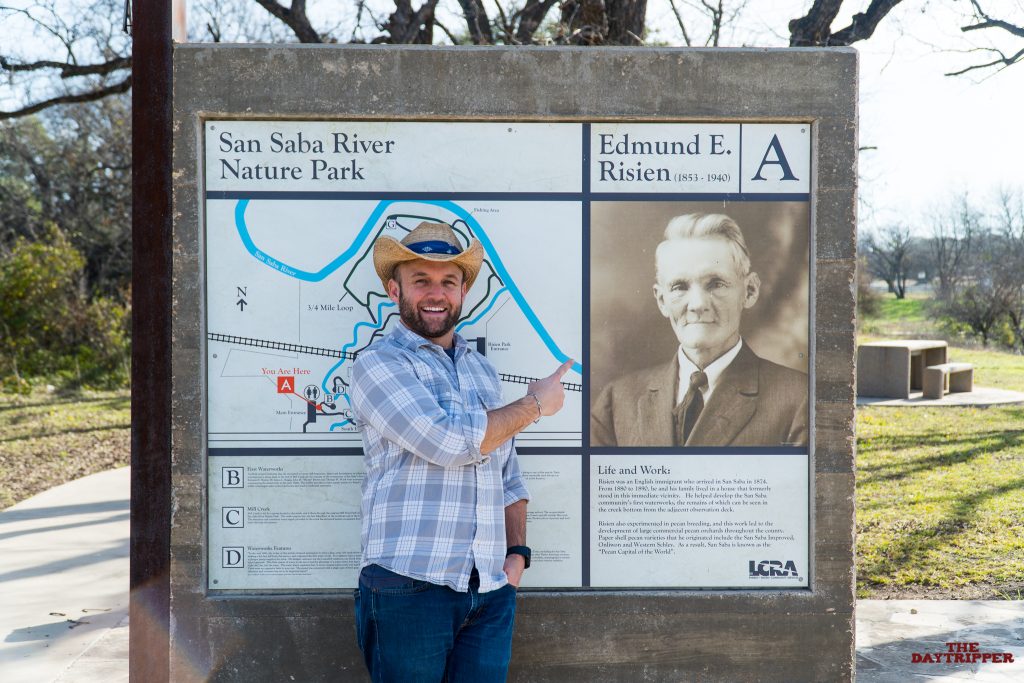

The Origins: The Mother Tree and Edmund Risien
San Saba’s pecan story begins in the late 1800s with Edmund E. Risien, a horticulturist who saw potential where others saw wild groves.
At the center of his work was what locals still call the Mother Tree, a native pecan tree that became the genetic foundation for some of the most important cultivated varieties in the country. By studying and grafting from this tree, Risien helped transform pecans from a wild food source into a commercial crop.
His work, frequently cited in regional features by publications like Texas Monthly and Texas Highways, put San Saba on the agricultural map and laid the groundwork for everything that followed.
The Breakthrough: Papershell Pecans
One of Risien’s most important contributions was the development of the papershell pecan. Unlike earlier varieties with thick, hard shells, papershell pecans are thin-shelled and easy to crack, making them far more practical for consumption and sale. This innovation dramatically expanded the market for pecans and helped establish San Saba as a leader in pecan cultivation.
From this work came several notable varieties, including:
- San Saba Improved
- Western Schley
- Texas Prolific
- Onliwon
These varieties are still part of the DNA of modern pecan production today.
The Families Who Built the Industry
While Risien created the foundation, local families built the industry that turned San Saba into a household name in pecans.

The Millican Family Legacy
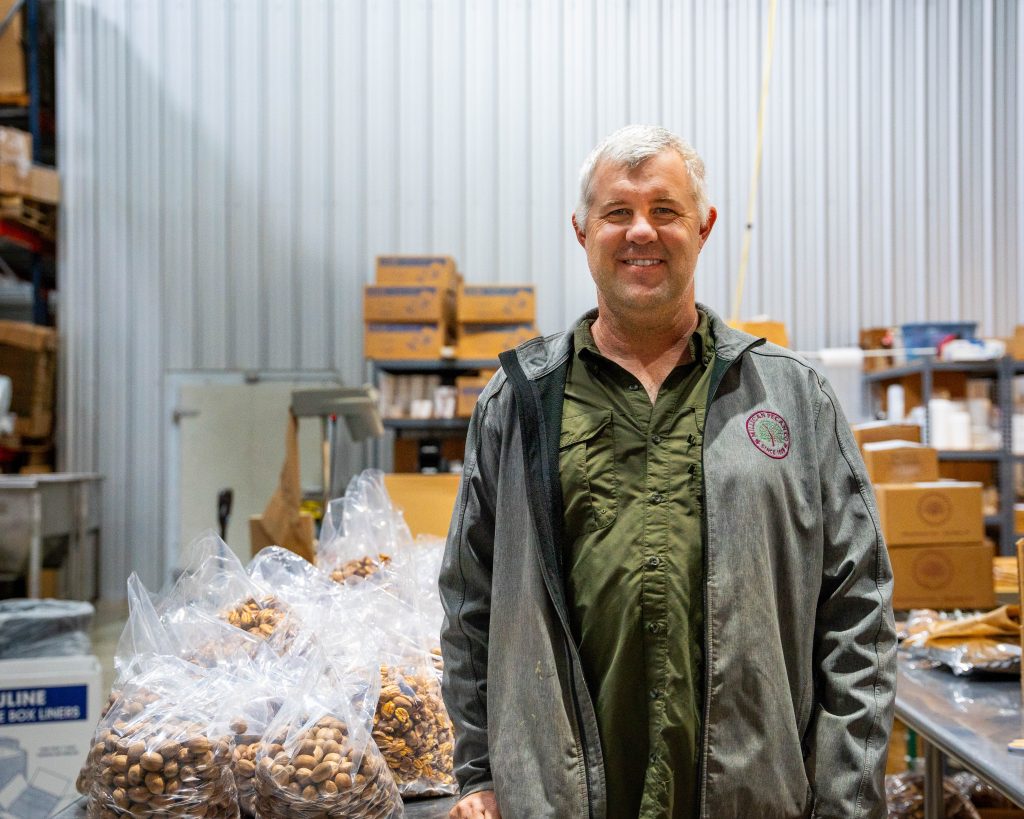
The Millican Pecan Company traces its roots directly to Risien himself. For generations, the Millican family has preserved the original orchards and continued cultivating pecans along the San Saba and Colorado Rivers. Their stewardship keeps the connection to the Mother Tree alive today.

The Bagley Family
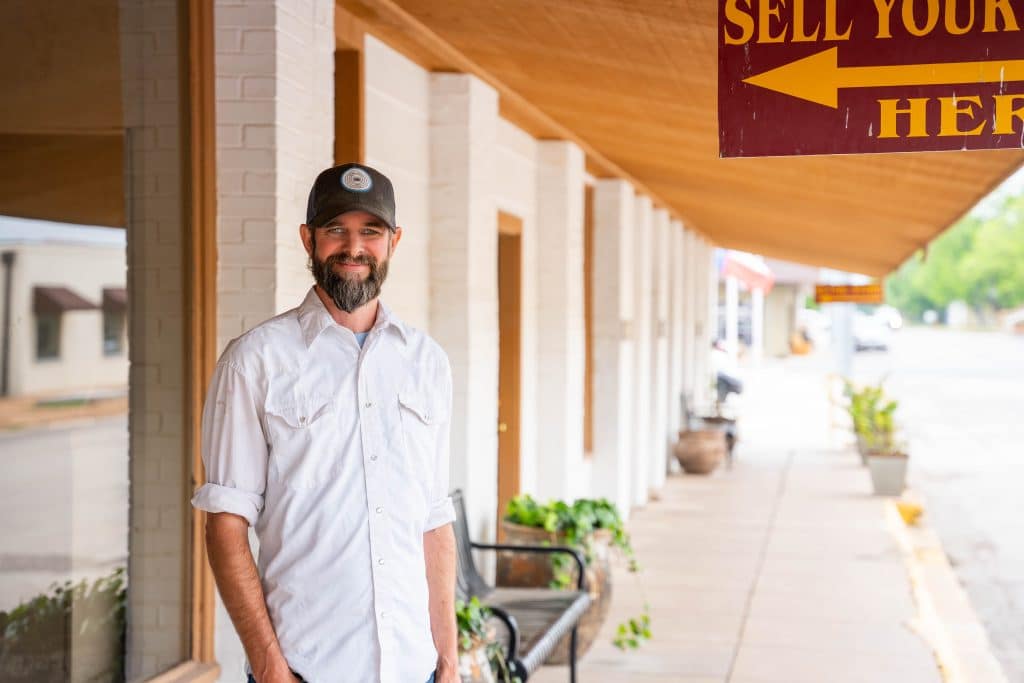
Bagley Pecans began in 1918 and grew into one of the largest pecan operations in the country. Their role in buying, processing, and distributing pecans helped scale San Saba’s reach far beyond Central Texas.


The Oliver Family
Oliver Pecan Company represents another key chapter in the town’s growth, combining production with value-added products that expand how pecans are used in everyday life. Together, these families turned agricultural innovation into a lasting economic engine.


A Celebration Rooted in the Trees: The Catkins Ball
Each year, San Saba celebrates its pecan heritage in a uniquely local way through the Catkins Ball. Named after the delicate blooms of the pecan tree, catkins are the flowering strands that appear each spring and signal the start of the growing season. Around here, they’re more than a botanical detail, they’re a symbol of renewal and the promise of harvest to come. The Catkins Ball brings that symbolism to life. This annual event gathers the community for an evening that blends celebration with purpose, raising funds for revitalization projects across San Saba County. From downtown improvements to community initiatives, the proceeds help ensure that the same town built by pecans continues to thrive for future generations. Like the orchards themselves, the event reflects a balance of tradition and forward momentum, honoring the past while investing in what’s next.

San Saba Today: A Living Pecan Destination
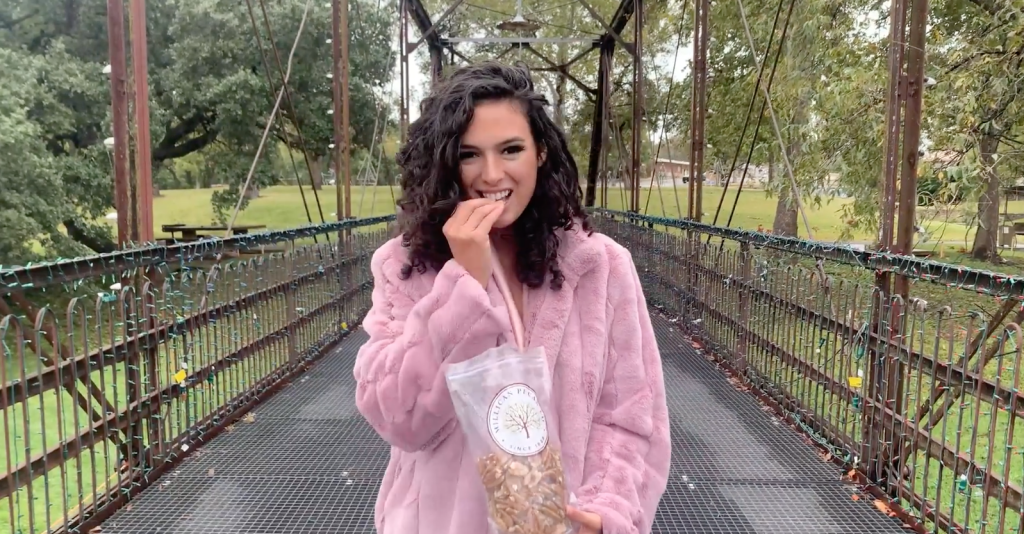
San Saba’s pecan story isn’t just history, it’s something visitors can experience today.
Where to Experience Pecans Firsthand
-
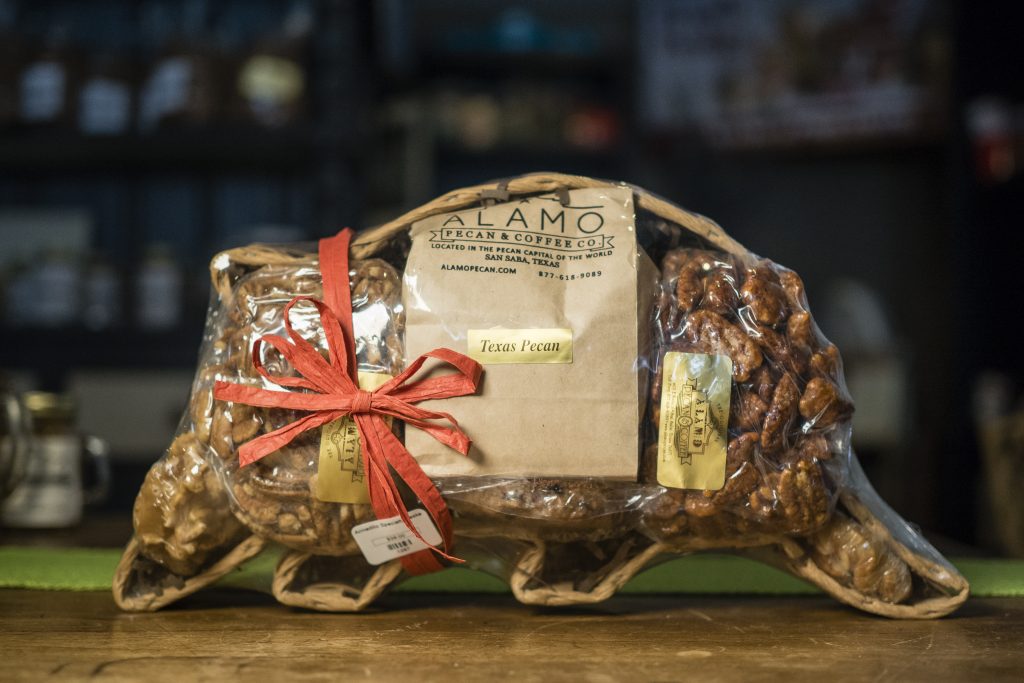
- Alamo Pecan & Coffee Company
A must-stop for visitors, blending fresh pecans, flavored varieties, and coffee into a welcoming retail experience. - Bagley Pecans
A cornerstone of the industry, known for large-scale production and nationwide distribution. - Oliver Pecan Company
Known for specialty items like pecan oil and gourmet products that showcase the versatility of the nut. - Chase Pecan
A newer generation operation continuing the town’s agricultural legacy. - Millican Pecan Company
A direct link to the origin story, offering both history and high-quality pecans from historic orchards. - The Great San Saba River Pecan Company
Specializes in award-winning Texas pecan preserves, recipes, and gifts.
- Alamo Pecan & Coffee Company

What Makes San Saba Unique
What sets San Saba apart isn’t just volume, it’s the combination of:
- Historic innovation, including the development of papershell pecans
- The genetic legacy of the Mother Tree
- Multi-generational family operations
- A full “orchard-to-shelf” ecosystem
- Community traditions like the Catkins Ball that reinvest in the town
Few places can claim both the origin story and a thriving modern industry. San Saba has both.

Plan Your Visit to the Pecan Capital
Whether you’re stopping in for a weekend or passing through the Texas Hill Country, San Saba offers a uniquely local experience rooted in agriculture, history, and flavor. Start with a visit to a pecan shop, explore the orchards, and if you time it right, come during harvest season or plan around community events that showcase the town at its best.